

This website brings together the technical documentation and records produced during the development of the TECER project — Tecnologias para Conexão Remota, an initiative of the Instituto Nupef.
How can connectivity be extended to areas that traditional infrastructure has not yet reached?
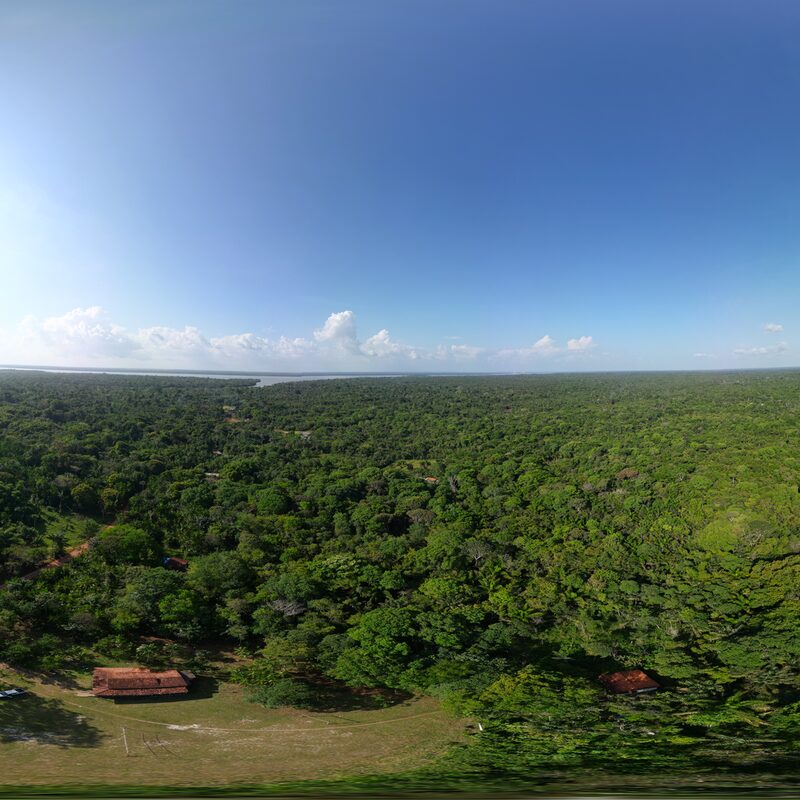
TECER, Tecnologias para Conexão Remota, is born from a practical question: how can connectivity be extended to areas that traditional infrastructure has not yet reached? There is internet in the nearby central regions, but it does not reach far enough to cross distances, water, terrain, or the absence of cables.
This is a project of Instituto Nupef that starts from listening, observation, and experimentation: investigating technologies, testing hypotheses, and learning from the territory. It is a process in motion. Here, the goal is not only to arrive with the signal, but to understand the path it needs to travel.
If the air already carries image and sound, why not data too?
This question set the project in motion. Radio waves already travel long distances carrying sound and image. In contrast, many digital protocols cut their route short before reaching the destination.
The television signal reaches far because it operates at sub-GHz frequencies, capable of getting around obstacles and traveling along less direct routes. Part of this spectrum is free. And when one looks at this available space in the air, a hypothesis emerges: if this idle band already reaches the destination, could it also carry connectivity?
This is where the study of TV White Spaces (TVWS) comes in, a technology that uses idle frequencies from television broadcasting to create data links. TVWS alone does not answer the challenges of connectivity, but it is one of the possible paths for the air to carry, beyond image and sound, access as well.
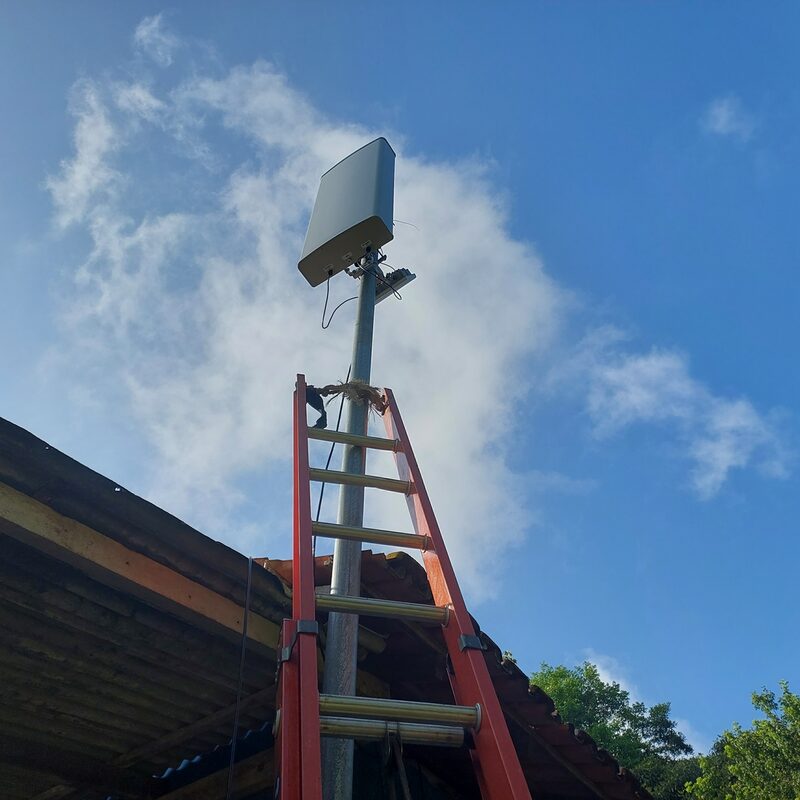
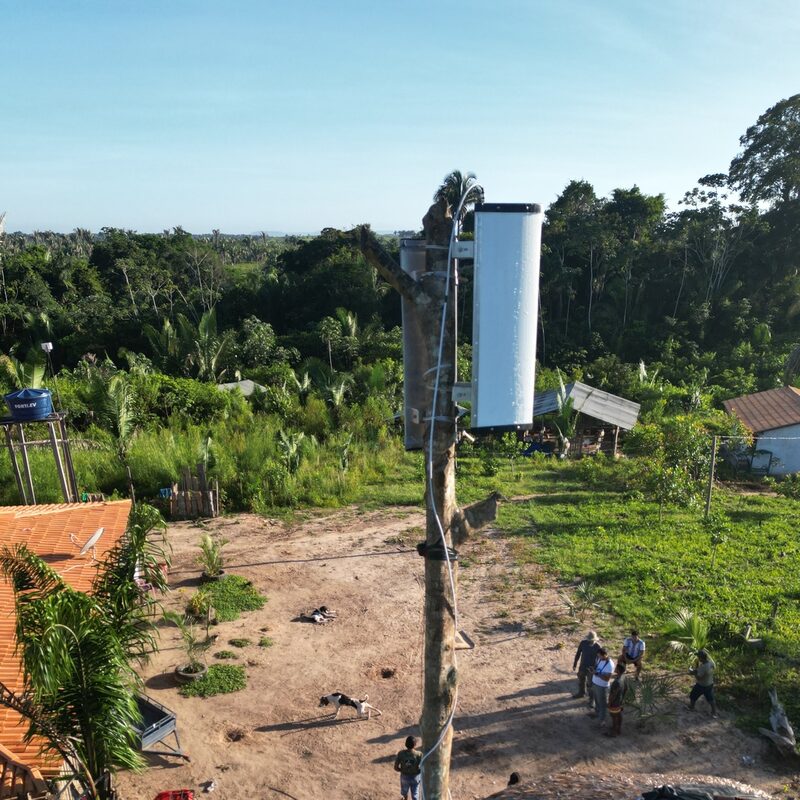
When the signal arrives, how does it become a network?
Bringing a link to the remote territory solves only the first stretch. After that, connectivity needs to find form and circulation. A network needs to stay alive even when infrastructure is minimal.
That is why, in this project, we study sub-GHz solutions, decentralized structures, and mesh architectures. Technologies such as LoRa and Meshtastic appear as possibilities to be tested. The project is not in a final selection phase, but rather in a stage of comparing different technical paths.
These technologies allow devices to connect with one another and each node to help sustain the next. It is a way of weaving, stitch by stitch, a possible mesh of connectivity.
And what are we discovering as we go?
Solutions for remote areas are not only technical, they are relational. They do not depend only on range or speed. They depend on continuity, energy autonomy, interoperability, feasible maintenance, and fit with the local way of life.
We are realizing that distributed networks can offer stability and presence, but they require care in their design and time to mature.
Progress is not linear. It happens the way air moves: going around, crossing, deviating, returning, and moving on.
Where do we want to go?
The next stage is focused on comparative tests, scenario simulations, regulatory studies, and documentation of experiments.
We do not seek only to connect. We seek to understand how the paths of the air allow connectivity to expand with continuity and meaning.
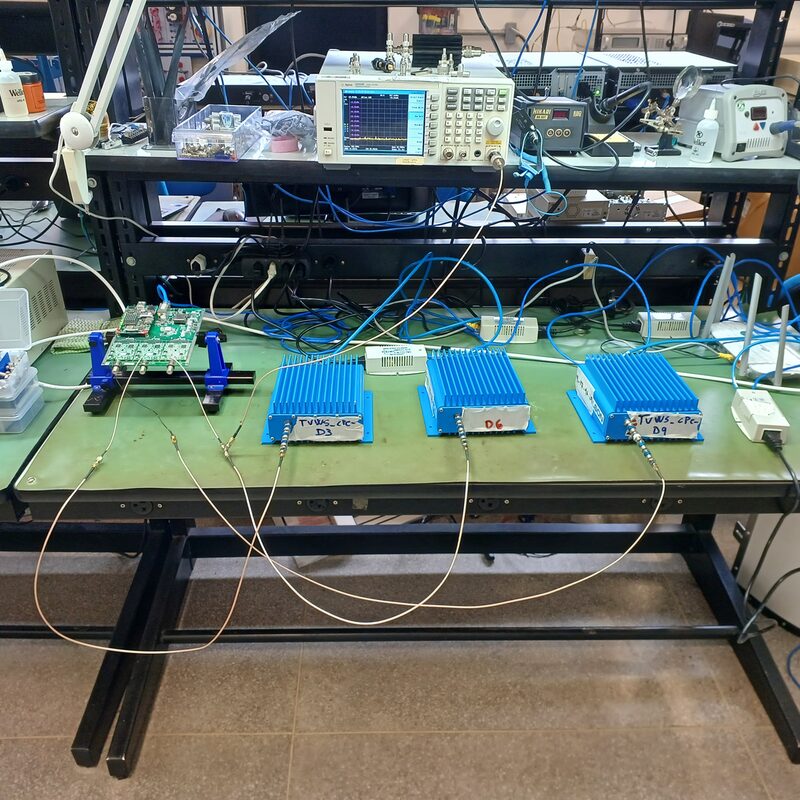
Want to follow along as this journey continues?
This site hosts the TECER diary. Each post records hypotheses, decisions, adjustments, failures, improvements, and discoveries. The record is open because the process matters as much as the result.
If you want to come along with us, just keep browsing. TECER is still under construction.
Thread by thread, signal by signal.
See the latest posts:
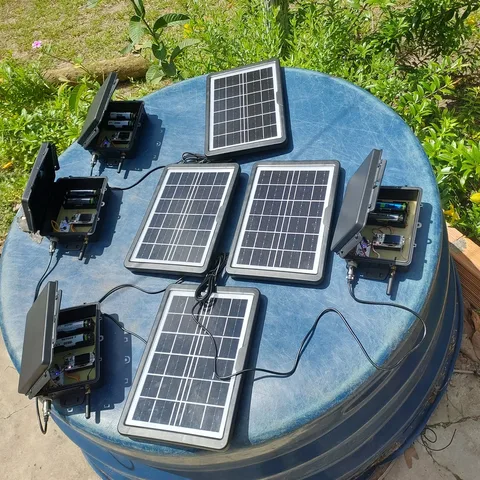
Phase 2: installing the network with the community
August 7, 2026
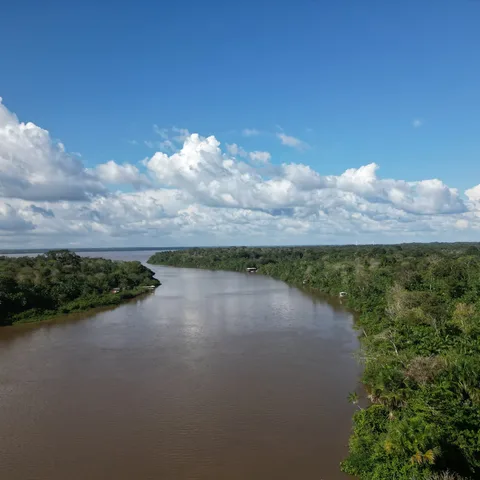
Phase 2: the Internet Forum, the final site and a new round of tests
June 2, 2026
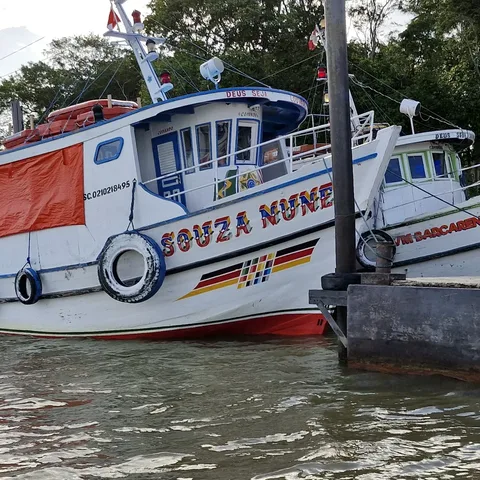
Phase 2: visiting the communities and the project sites
January 25, 2026