Before installing a network, you have to get to know the place where it will live: who will use it, where the internet will come from, where the antennas can go and what lies in between. In January 2026, with the TVWS investigation still under way, the TECER team spent a week in Pará doing just that. It visited the partner communities and possible installation sites, studied the rooftop of PCT Guamá as a future option for the internet exit and, on the same trip, took part in a community network hackathon on Cotijuba island.
How did the visit to the communities go?
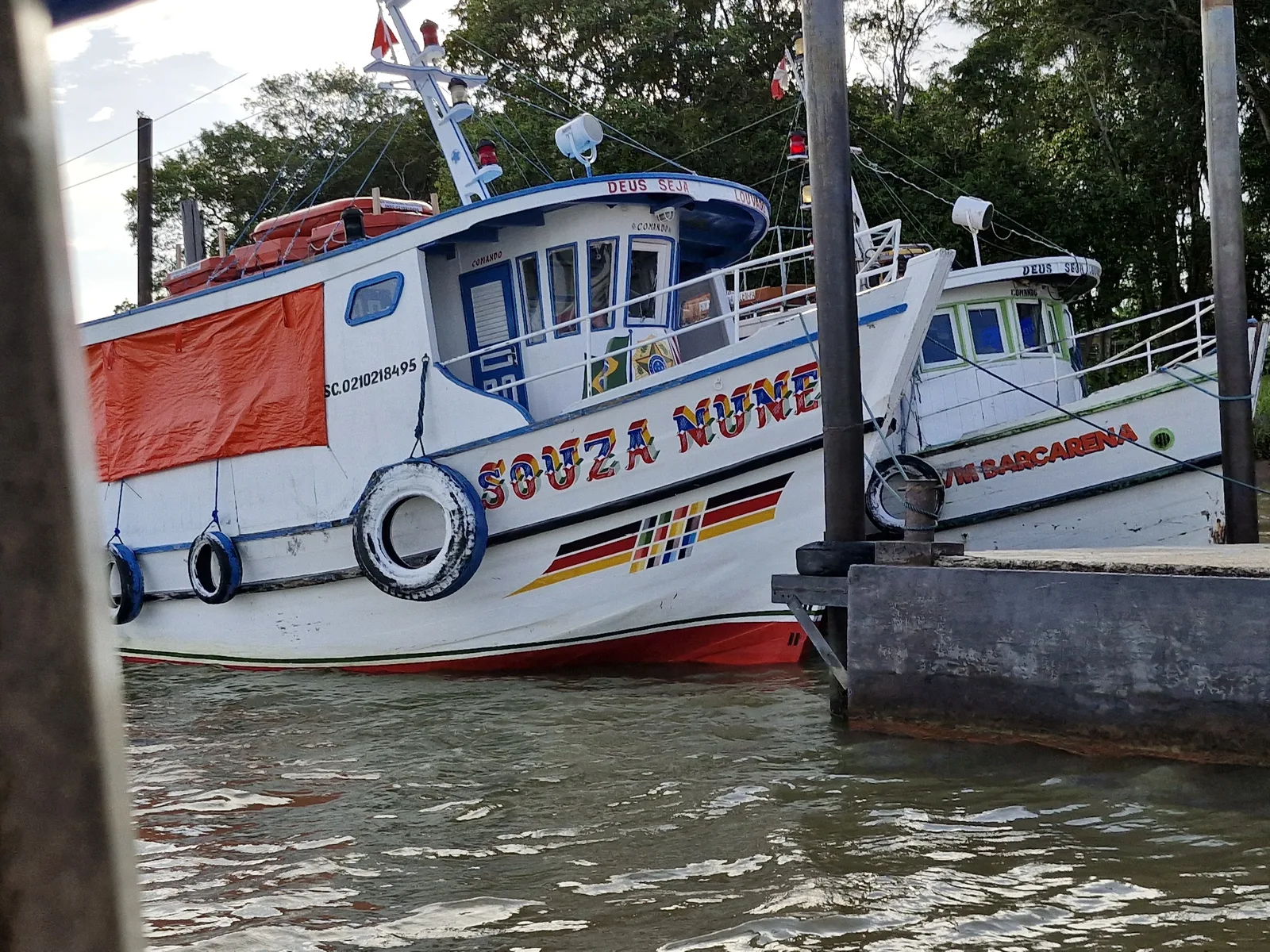
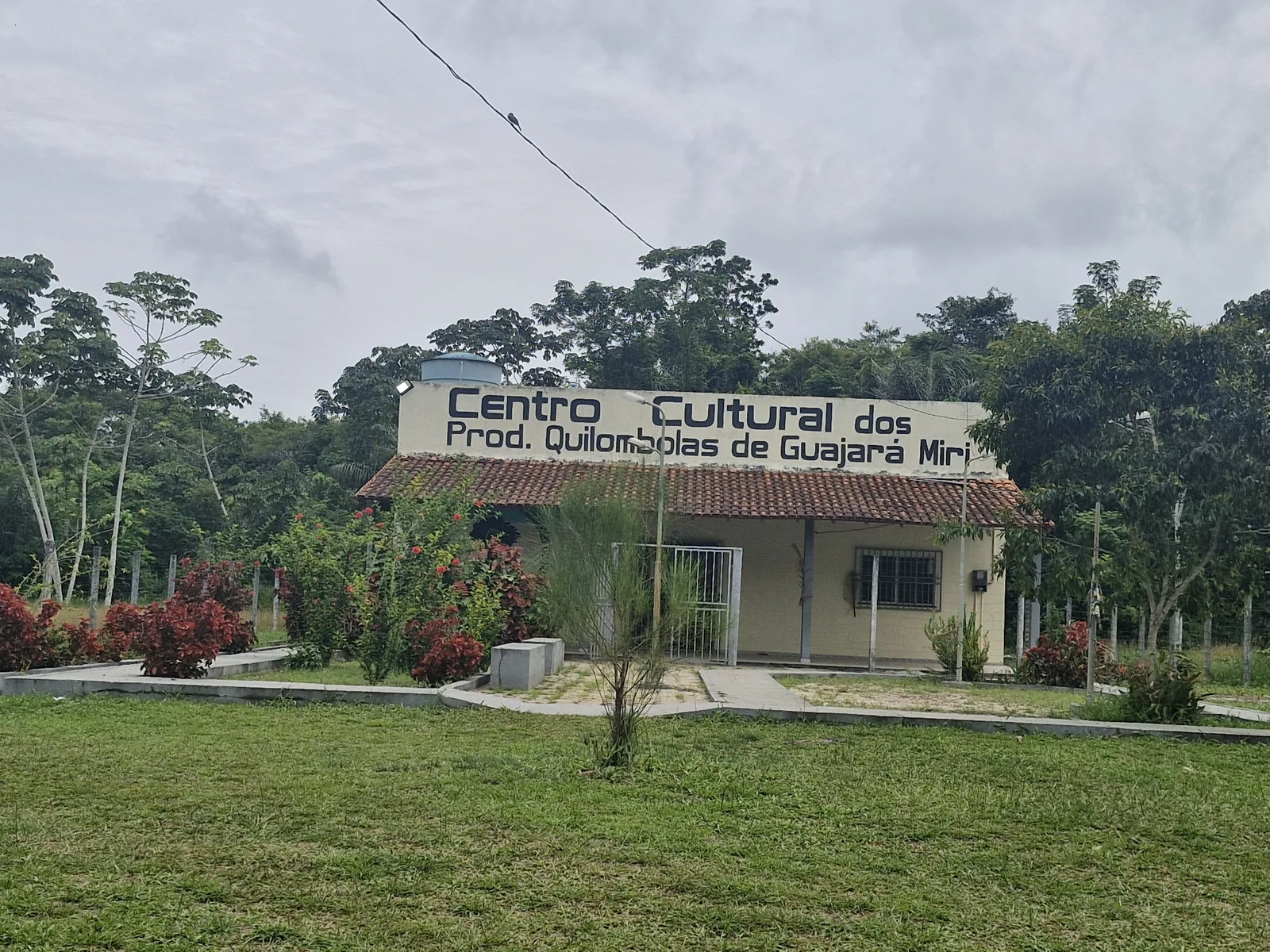
On 24 January, the team drove along dirt roads to meet the partner communities and see possible installation sites. The first stop was the Cultural Centre of the Quilombola Producers of Guajará Miri.
The route went through clearings in the forest, a pier on the bank of a wide river and towers that already stand in the region. In a site survey, every detail counts: the height available for antennas, power, access by land or water, and the obstacles between one point and another.
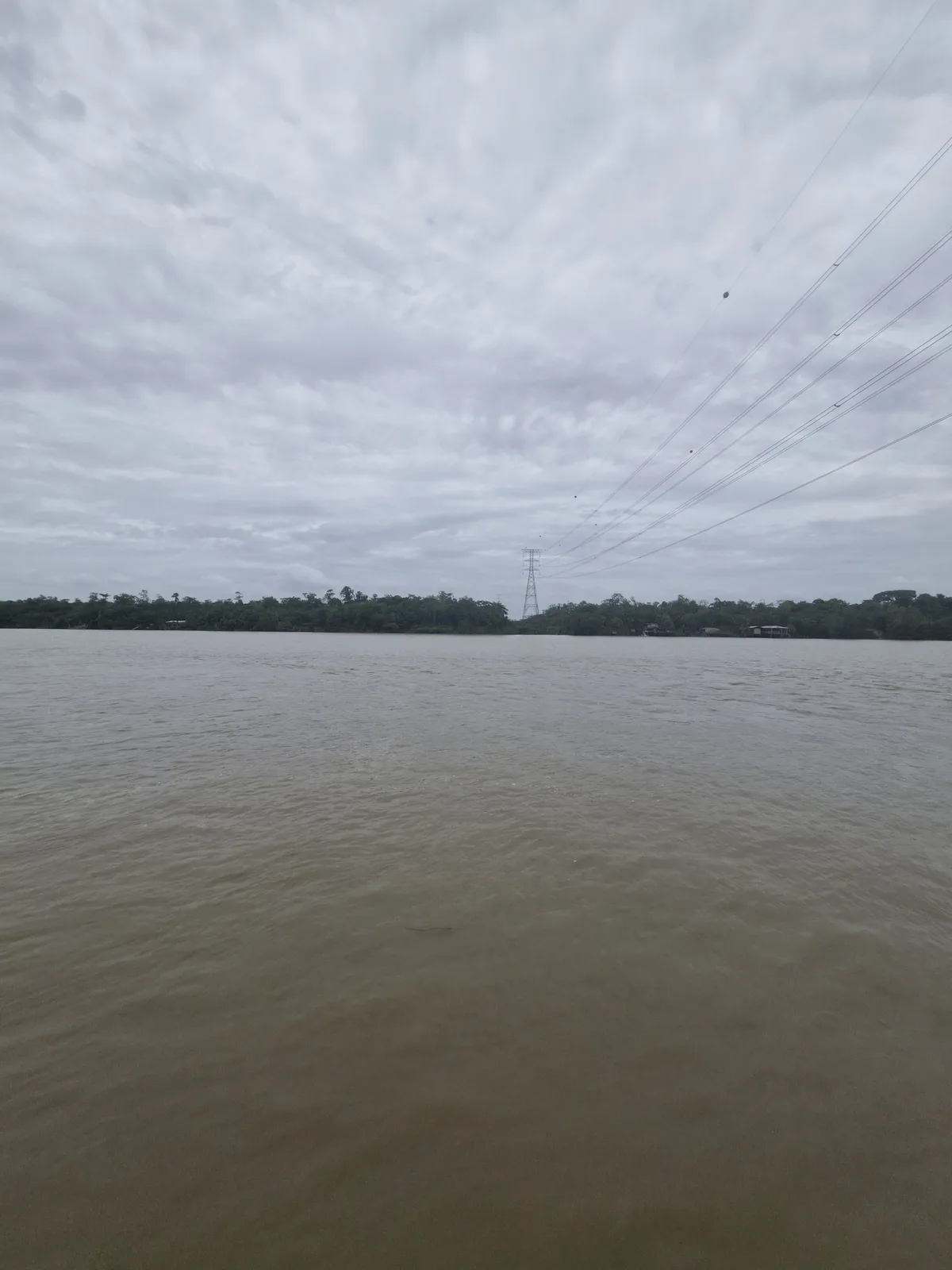
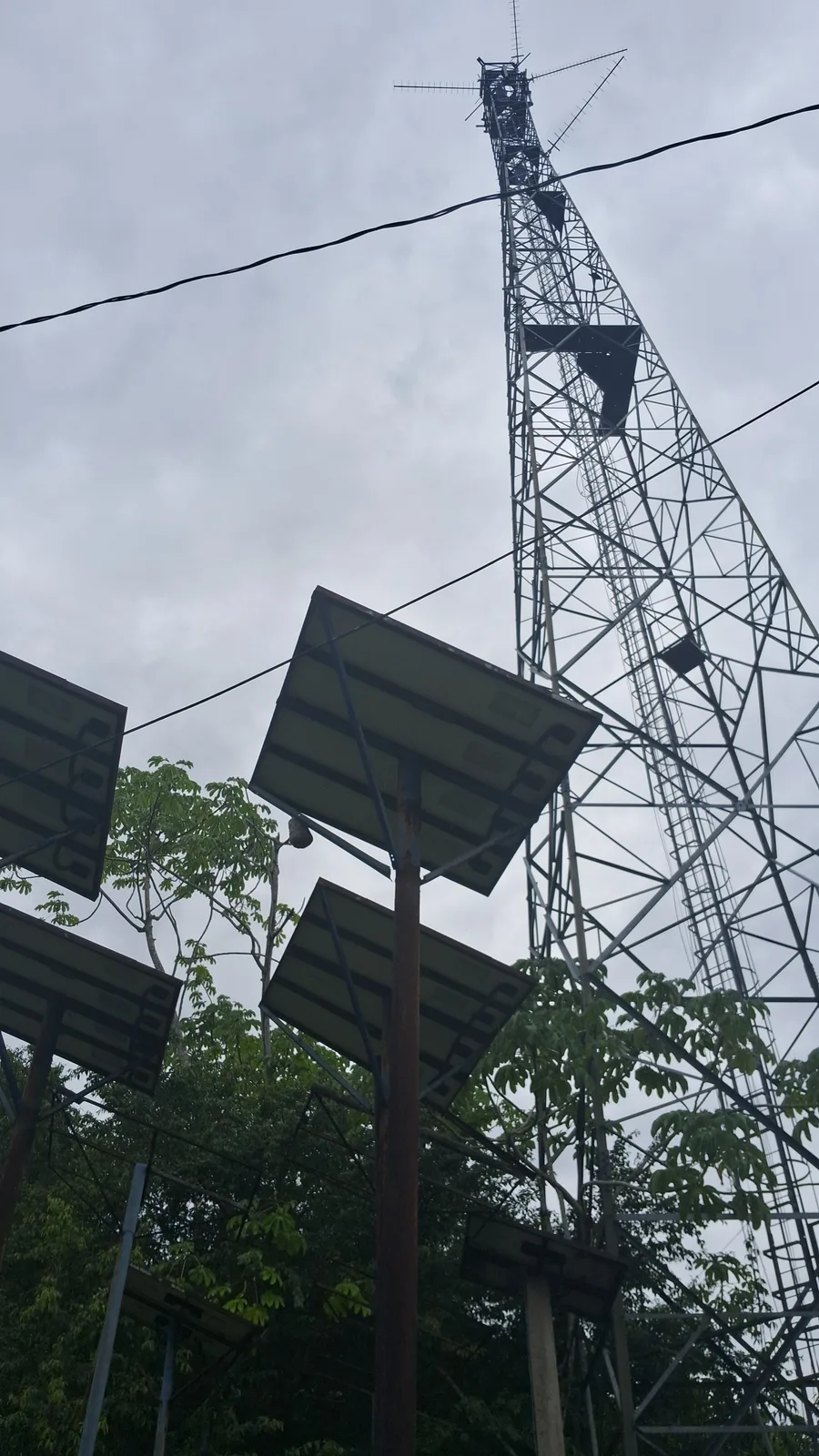
The towers caught the team’s attention. They show that the region already has tall structures, some with solar panels, that could help get past the forest.
Why PCT Guamá?
To bring internet to a community over TVWS, you have to start from a high point with stable power and a good internet connection. The segment that links the local network to the internet is called the backhaul.
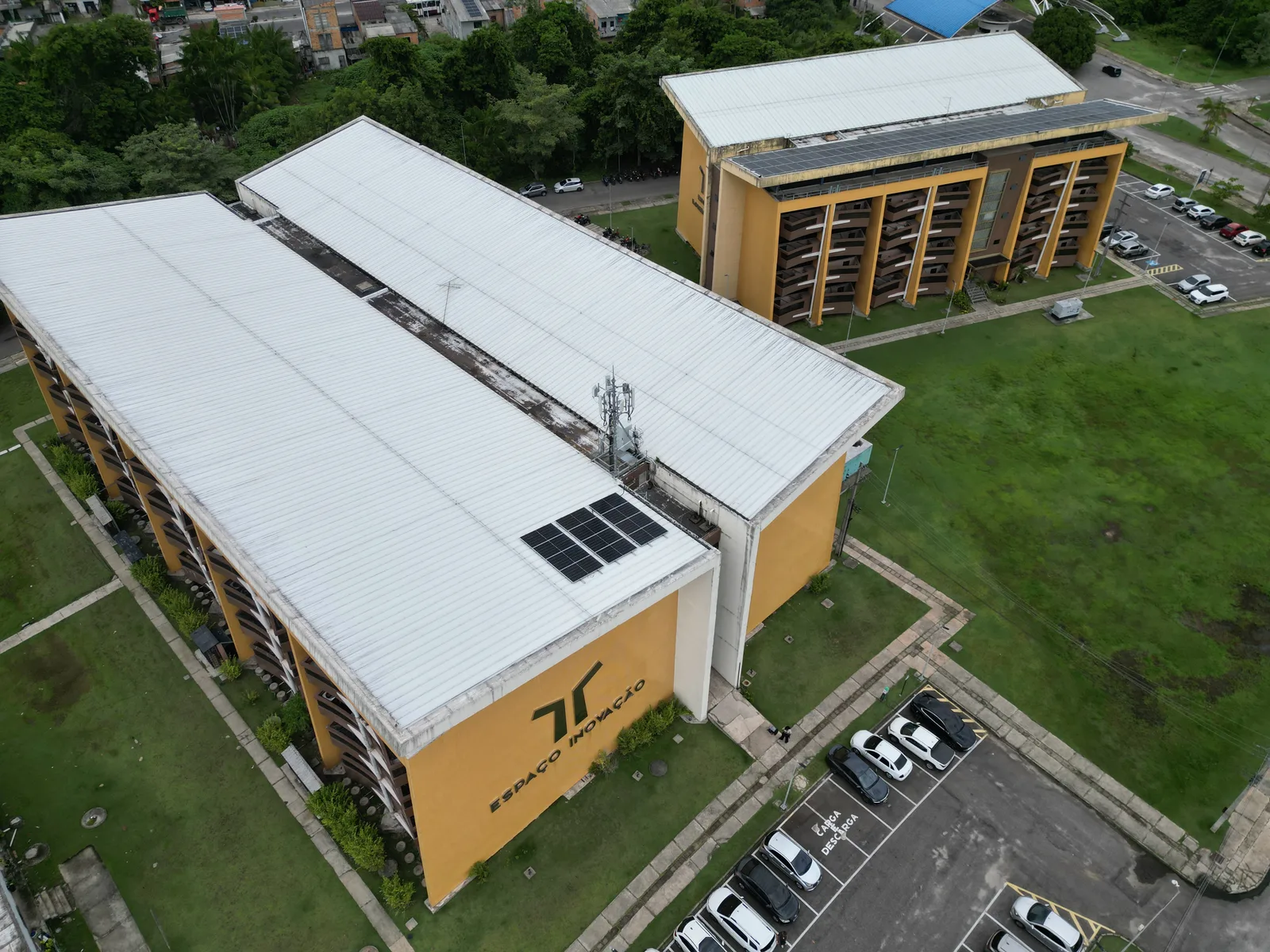
The Guamá Science and Technology Park (PCT Guamá), in Belém, meets those conditions. The Espaço Inovação building has a rooftop with a telecommunications tower, solar panels and a view over the forest and the river. On 19 January, the team inspected the rooftop and flew a drone to survey the surroundings. PCT was noted as an option for future expansion: in a later phase, the TVWS base station could sit on the rooftop and use the park’s internet as the link’s exit to the communities.
That same week, the team went back to the bench at LASSE, a UFPA lab next to the park, to continue testing the radios.
And the hackathon on Cotijuba?
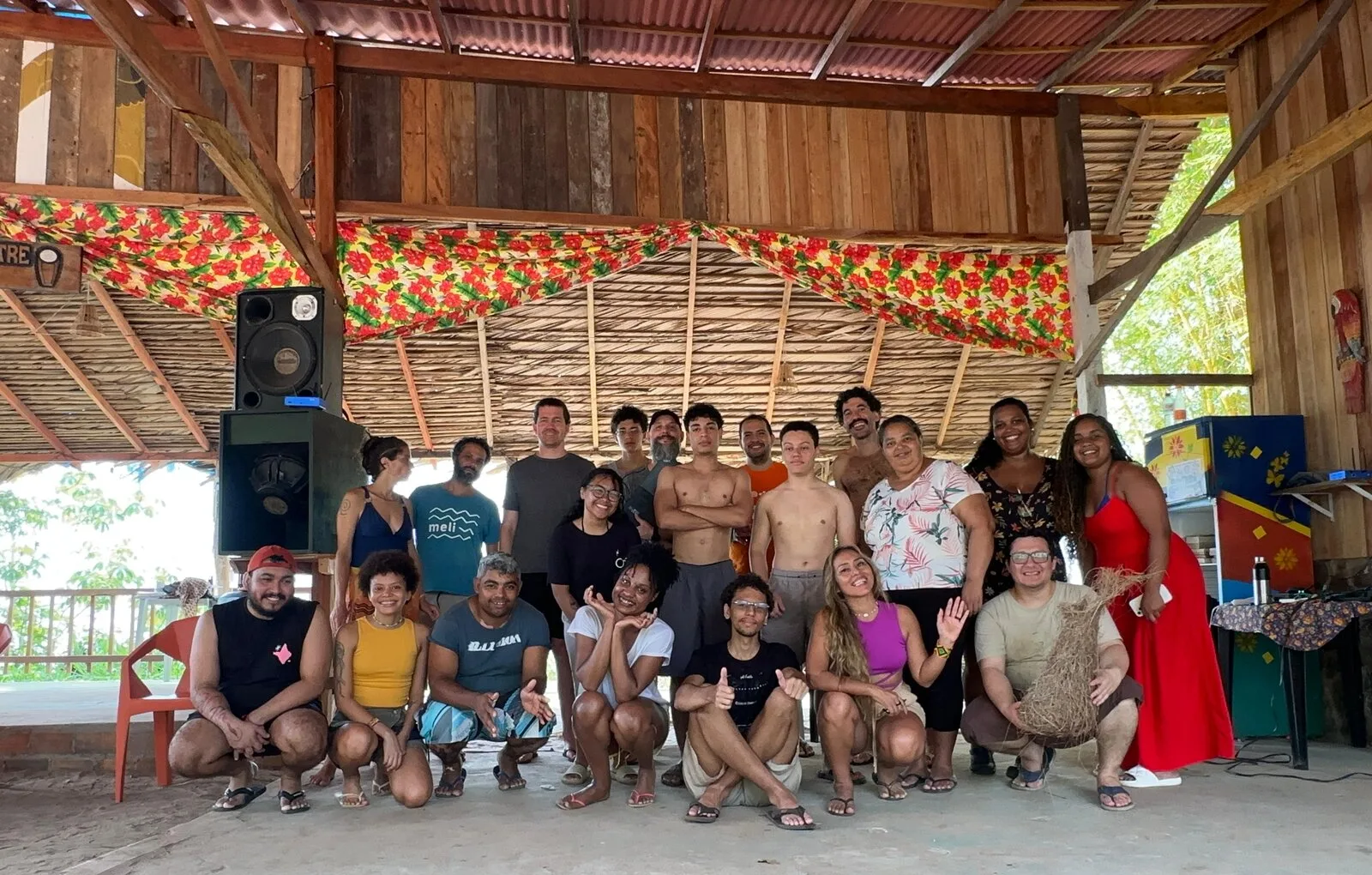
Cotijuba is an island belonging to Belém, reached by boat. From 18 to 25 January, it hosted the Pirania Hackathon, a working meeting of people and collectives who run community networks. The TECER team took part as another task of the trip.
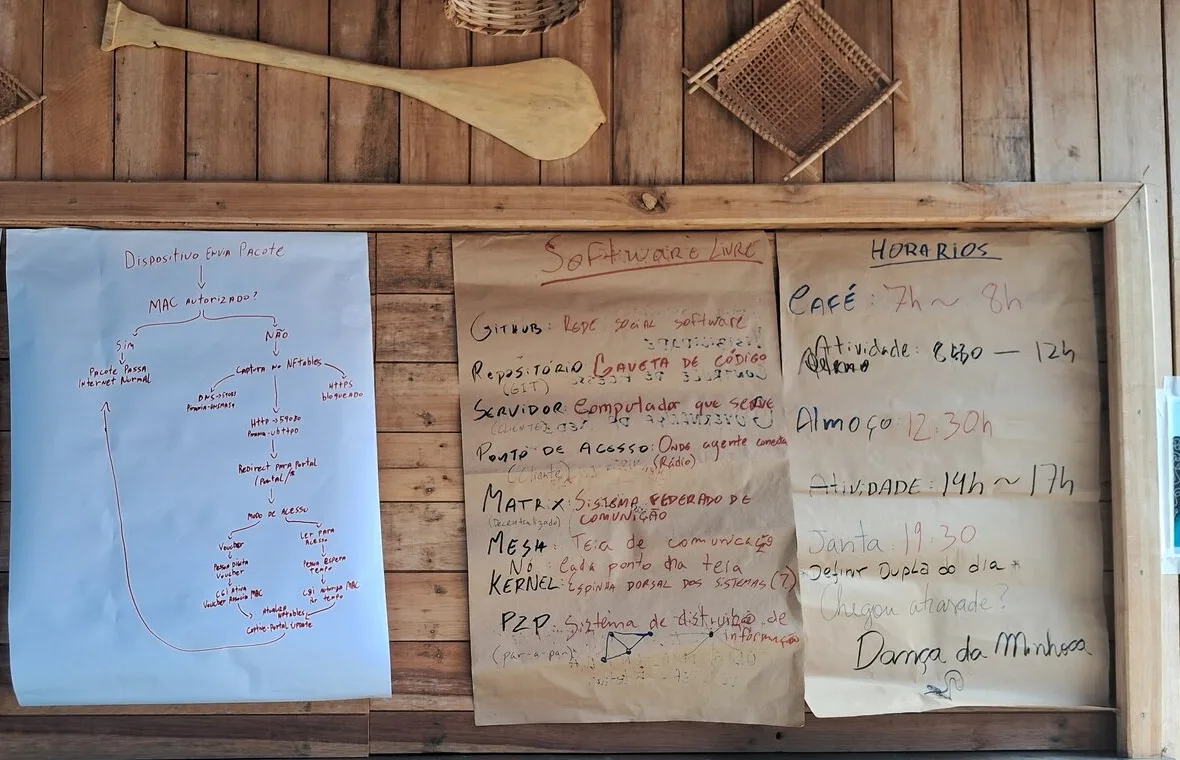
Pirania is free software that runs inside LibreMesh, the system used on the routers of many community networks. It controls who can use the network’s internet: when a new device connects, Pirania takes it to a login page, where the person enters a code, the voucher. With a valid code, the device can browse. It is a way for the community itself to organize access and share the cost of the connection.
The meeting’s board summed up the week’s goals:
- get Pirania working on LibreMesh and test “Tranca Rede”;
- produce usage statistics and think about the tool’s sustainability;
- publish Pirania as an installable package and document how to use it;
- maintain network equipment, a task the Nupef team helped with;
- share experiences about community networks and record the memory of the meeting.
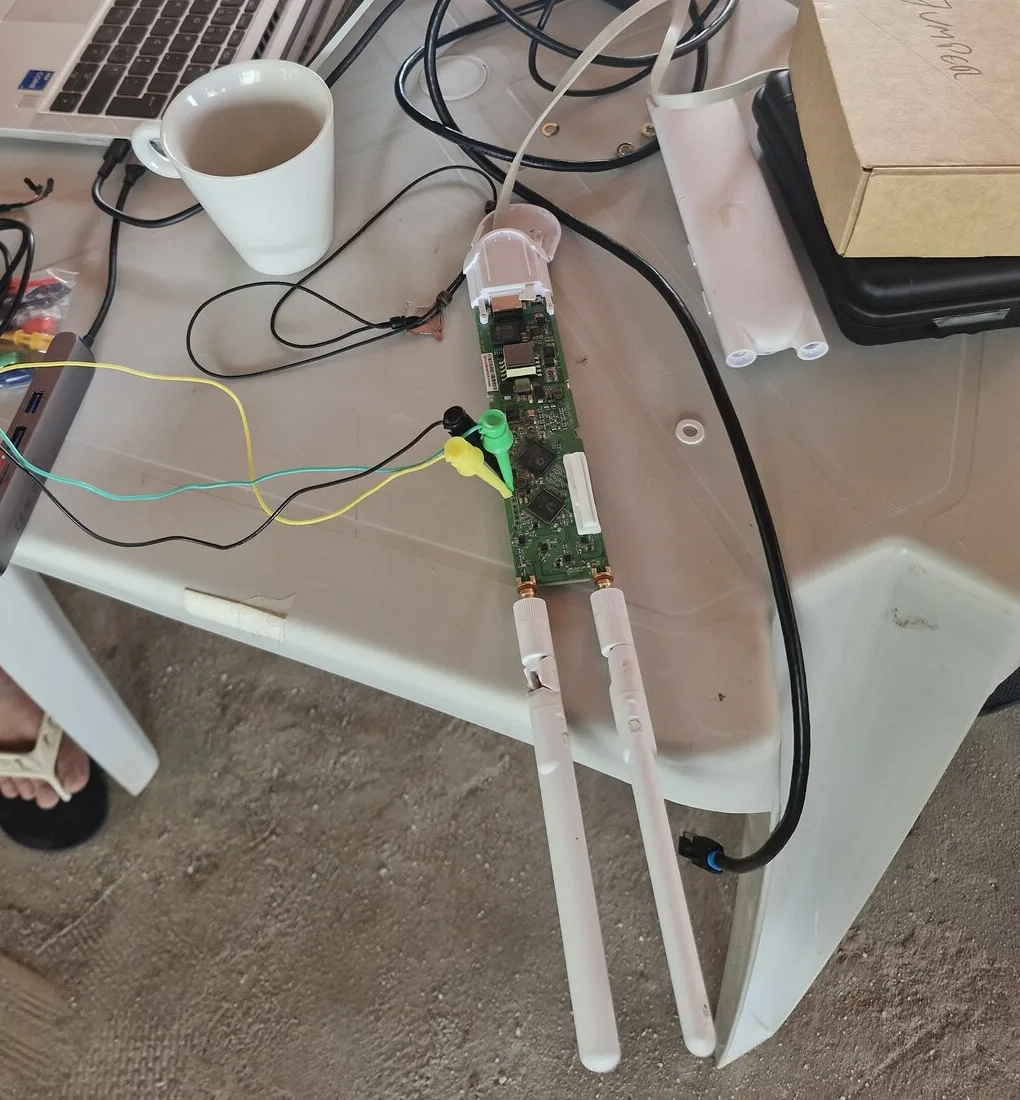
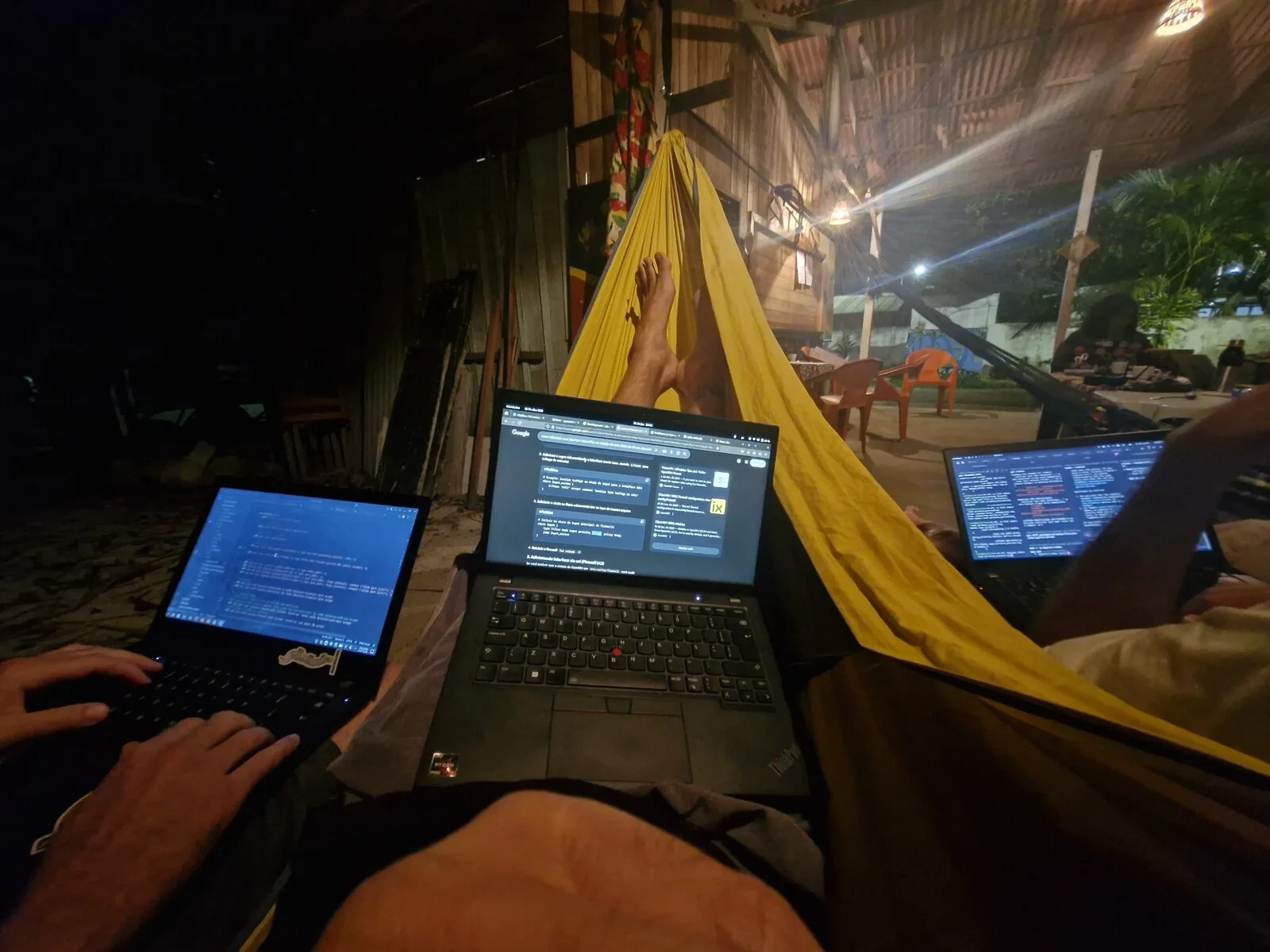
In practice, it was bench work under a thatched roof, with laptops, cables and router boards wired to adapters to access and flash the devices' systems.
What did we learn at this stage?
- Knowing the territory before installing avoids surprises. Roads, rivers, towers and clearings change the network’s design.
- Choosing the internet exit matters as much as choosing the technology. A high point with power and a good connection determines how far the link can reach.
- A community network is also made of software and people. Tools like Pirania help the community organize access and maintain the network on its own.
What comes next?
With the communities visited and PCT noted as an expansion option, what remained was to confirm the final installation site and solve the TVWS data problem. The team returned to Belém at the end of May, at the time of the Brazilian Internet Forum.
Further reading
- How TVWS uses free bands of the TV spectrum (Explanation)
- Why a radio link has a shorter range than predicted (Explanation)
Supported by: Internet Society Foundation (BOLT).