Picture a badge that opens a building’s front gate but none of the doors inside. The person gets in, is recognized and is given a room number, but cannot leave the lobby. That was the situation of TECER’s new TVWS radios after the field test in Rio Grande do Sul. Between December 2025 and March 2026, the team tried to find out which door was locked.
What was the problem?
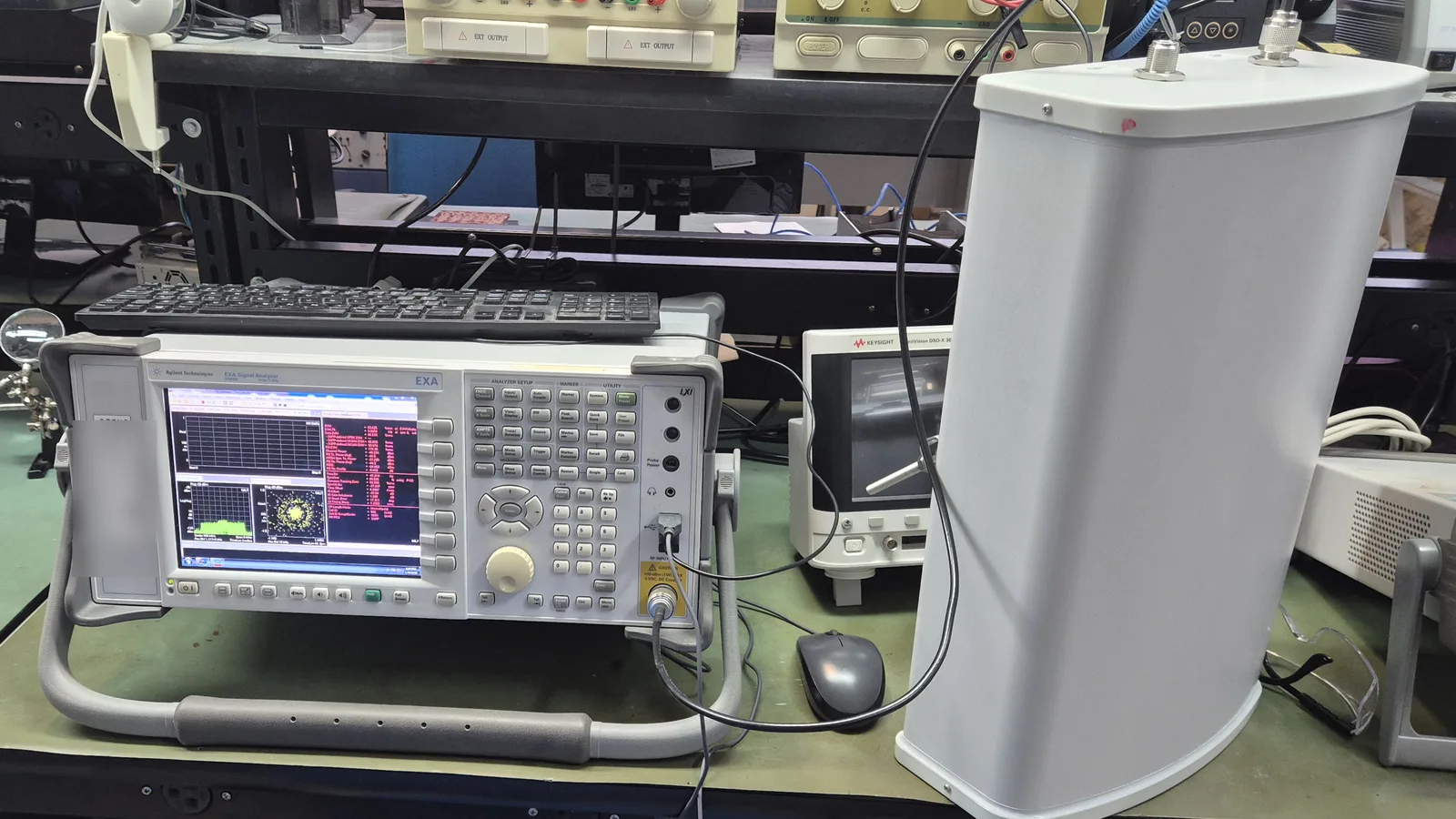
In the new generation of TVWS, the data path has three segments. The CPE, installed where the connection is used, talks over the air to the base station. The base station, in turn, hands the traffic to the EPC, the network core, which checks who may get in and routes data to the internet.
In the tests, the first two segments worked. The CPE connected to the base station, was authenticated and showed as registered in the manufacturer’s system. A computer plugged into the CPE received a network address and could reach the CPE itself. Beyond that, nothing: it could not reach the internet or the internal addresses of the TVWS network.
Networks of this kind have two layers of conversation. The first, the control layer, lets devices recognize each other. The second, the data layer, carries users’ traffic. Control worked; data did not. The link was on the air, but the internet did not flow through it.
How was the test bench set up in Belém?
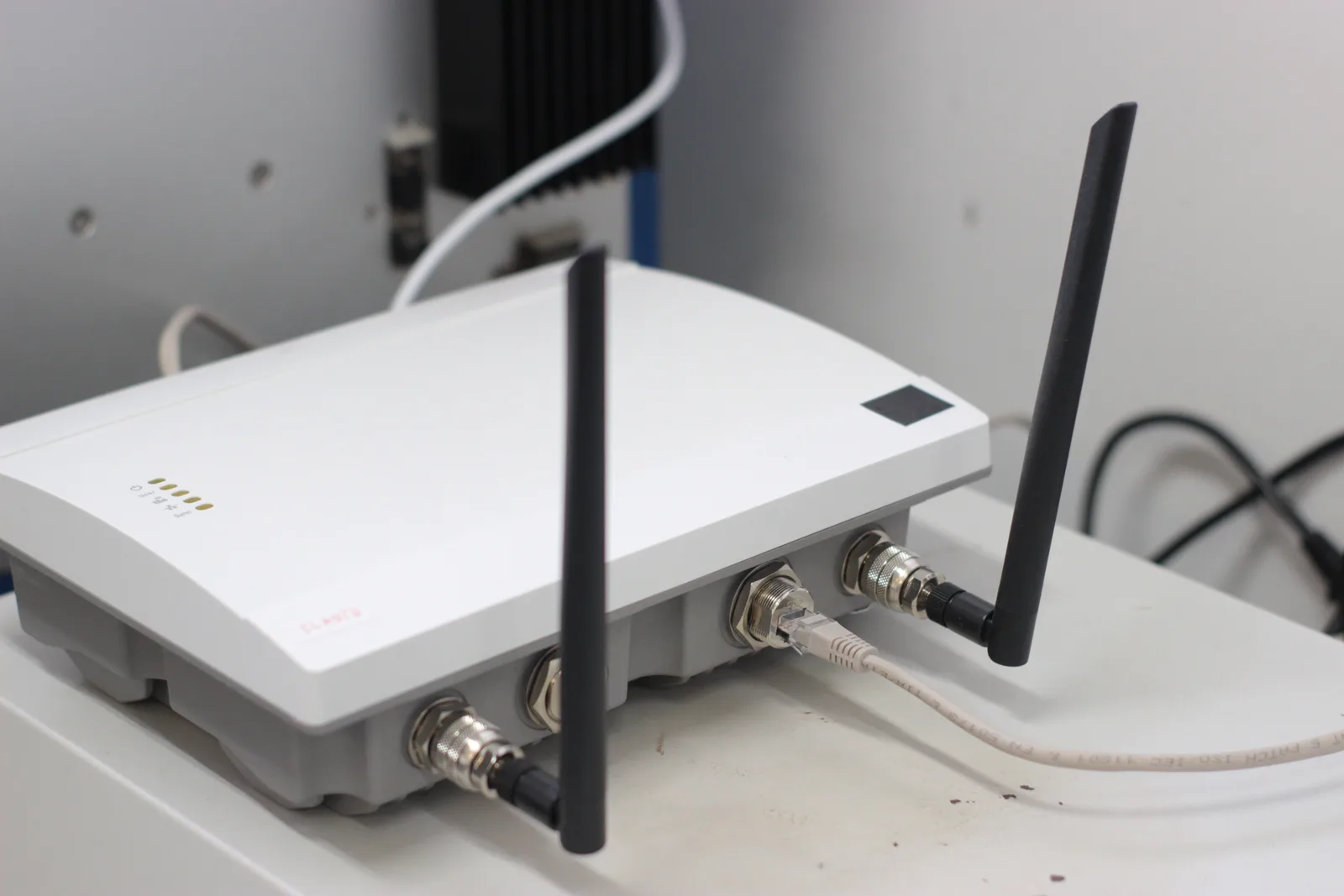
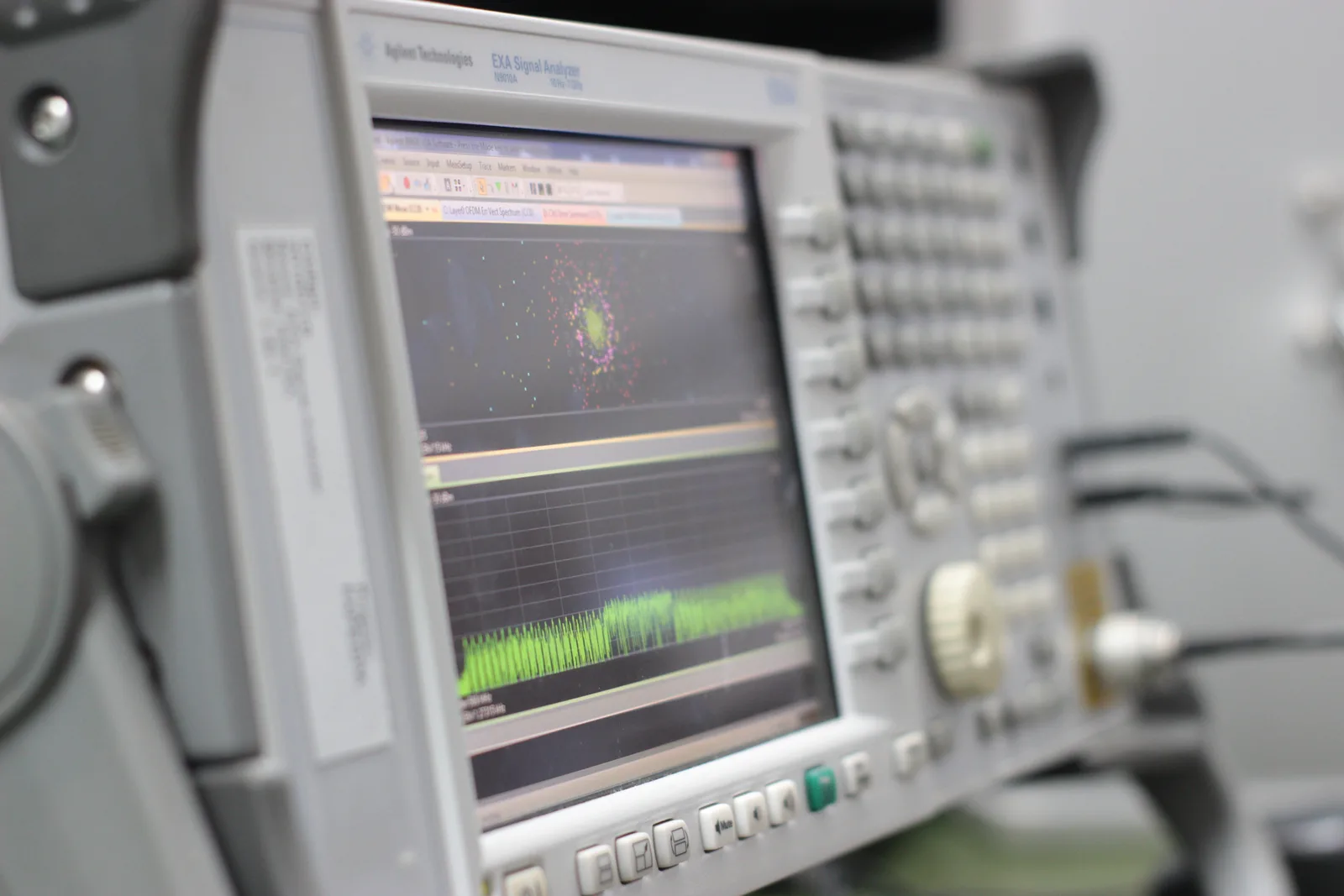
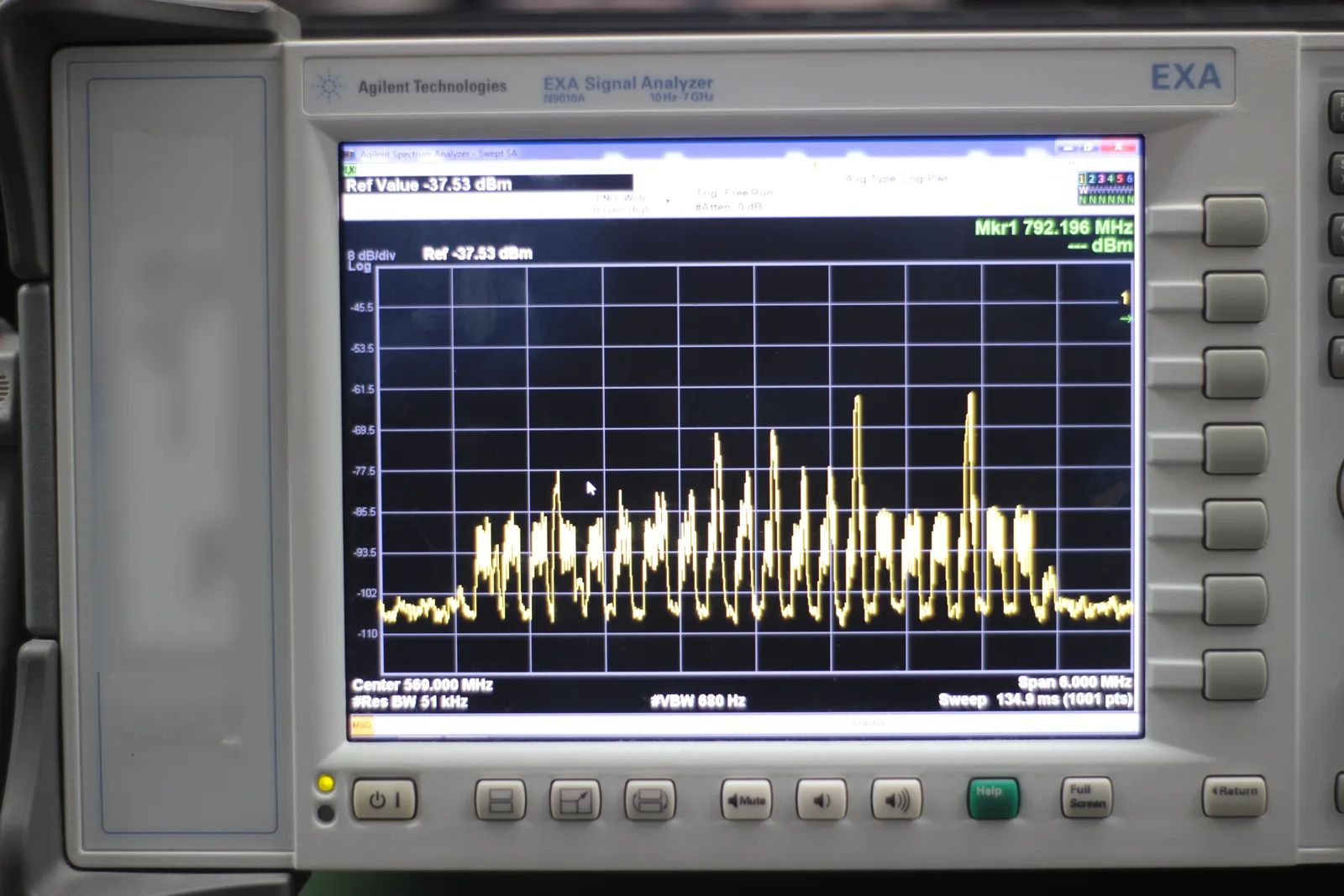
On 1 December 2025, a reduced test bench was set up in Belém, at a team member’s home: one EPC, one base station and one CPE. Instead of the large antennas, the team used small antennas with adapters to attenuate the signal. Radios that are very close together at full power can saturate each other, like someone shouting into another person’s ear. The base station spent 48 hours scanning the spectrum, looking for the cleanest channel.
The problem stayed the same.
How did the team try to isolate the fault?
The strategy was the same as in Phase 1: split the path into parts and test one at a time. Together with the manufacturer, the team agreed on three lines of work:
- test one CPE at a time, to find out whether the fault was in one specific unit or in all of them;
- measure the link on its own, with a throughput tool (iPerf) running at both ends: one computer before the EPC and another behind the CPE. That way, the home internet connection was left out of the test;
- open remote access to the bench, with a small computer (a Raspberry Pi) plugged into the CPE, so the manufacturer’s engineers could examine the equipment from wherever they were.
The work was interrupted by things nobody controls. In December, a cyclone in São Paulo left a team member without power on the day set for the throughput tests. Then came the year-end break and, in February, Chinese New Year, which reduced support from the manufacturer’s engineering team in Asia. Given the uncertainty, the field trip to Pará planned for January was postponed.
What did the manufacturer conclude?
After reviewing settings and logs, the manufacturer found nothing wrong with the radios. Its hypothesis was that the network feeding the bench, with its router and internet access, was blocking the EPC’s traffic. To check this hypothesis, it asked for a full diagram of the test network, with every device and every address.
In early 2026, the equipment was moved to a university in Belém. There, outgoing internet access was open, but incoming traffic was filtered by the institution’s firewall, which made remote access harder. The team proposed building a tunnel, a protected connection that crosses other networks, from the bench router to Nupef’s datacenter in São Paulo. That way, the base station’s traffic would leave with Nupef’s own addresses and could be examined without interference from other networks.
By March, the problem was still undiagnosed.
What did we learn at this stage?
- A radio link is only one segment of the path. A signal on the air and an authenticated CPE do not guarantee that the internet reaches the people who will use it.
- Testing one part at a time is still the method. Separating the link from the home internet, and one CPE from the others, is what makes it possible to pinpoint the fault.
- Remote support depends on the network too. For someone to examine equipment from afar, there has to be a way in, and university networks usually keep those doors shut.
- The calendar is part of the project. Holidays, breaks and storms, here and on the other side of the world, changed the pace of the investigation.
What comes next?
While the investigation went on, the team used its time in Belém to get to know the territory and the partners for the next stage: a hackathon on Cotijuba island, the communities where the network would be installed, and the rooftop of PCT Guamá, which could become the link’s internet exit.
Further reading
- Set up a TVWS test bench with attenuators (How-to guide)
- Confirm that a TVWS radio is transmitting (How-to guide)
- Why a radio link has a shorter range than predicted (Explanation)
Supported by: Internet Society Foundation (BOLT).